

Juncture Wealth Strategies - Q2 2026 Market Commentary
2026 Outlook
Economic & Market Forecast
01 Economy
Leading indicators, consumer confidence, jobs, AI investment, productivity, and GDP
02 Inflation
Money supply trends and expected inflation for the year ahead
03 Bond Markets
Yield outlook and the Federal Reserve's path on interest rates
04 Equity Markets
Revenues, earnings, oil supply disruption, and sector leadership
05 2026 Market Direction
Our summary view across asset classes and the global outlook
Economy: Leading Economic Indicator (LEI)
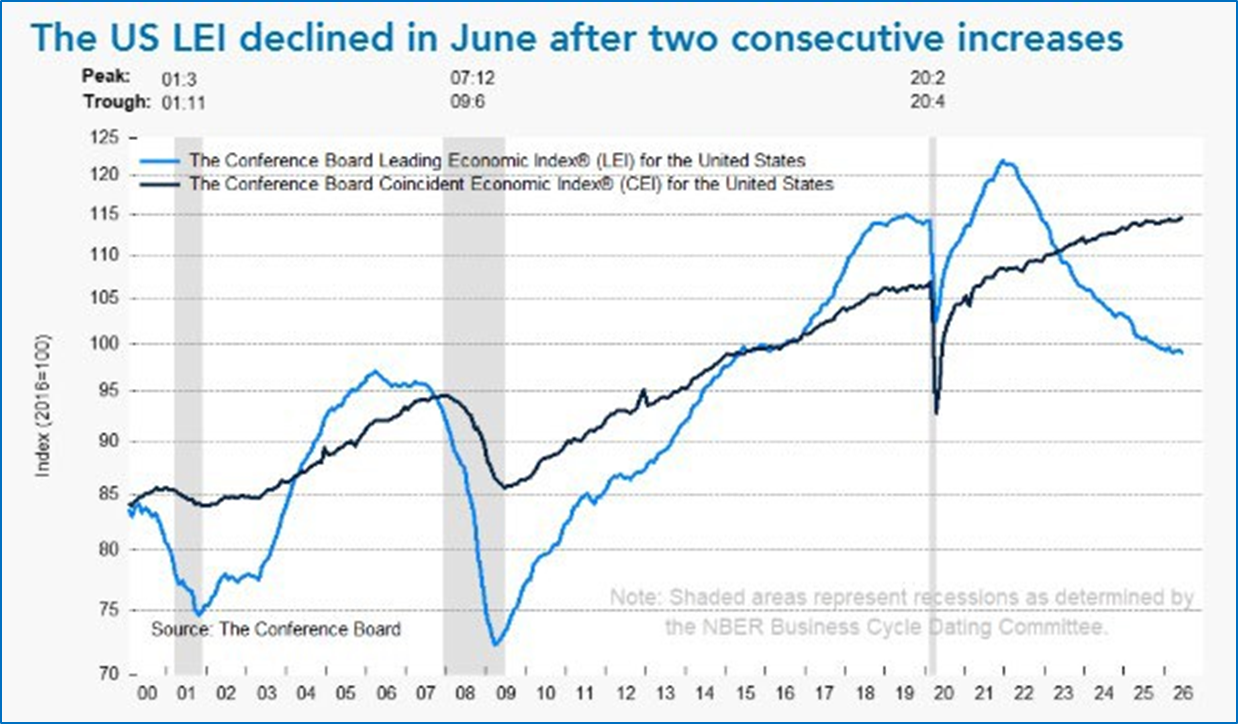
The LEI continues to signal weakness in the US economy in 2026. The chart below reflects the divergence between the current (Coincident Economic Index, black line) versus future (LEI, blue line) expected economic growth. Current economic activity is at a much higher level than survey participants expect in the next six to twelve months.
Economy: Leading Economic Indicator (con’t)
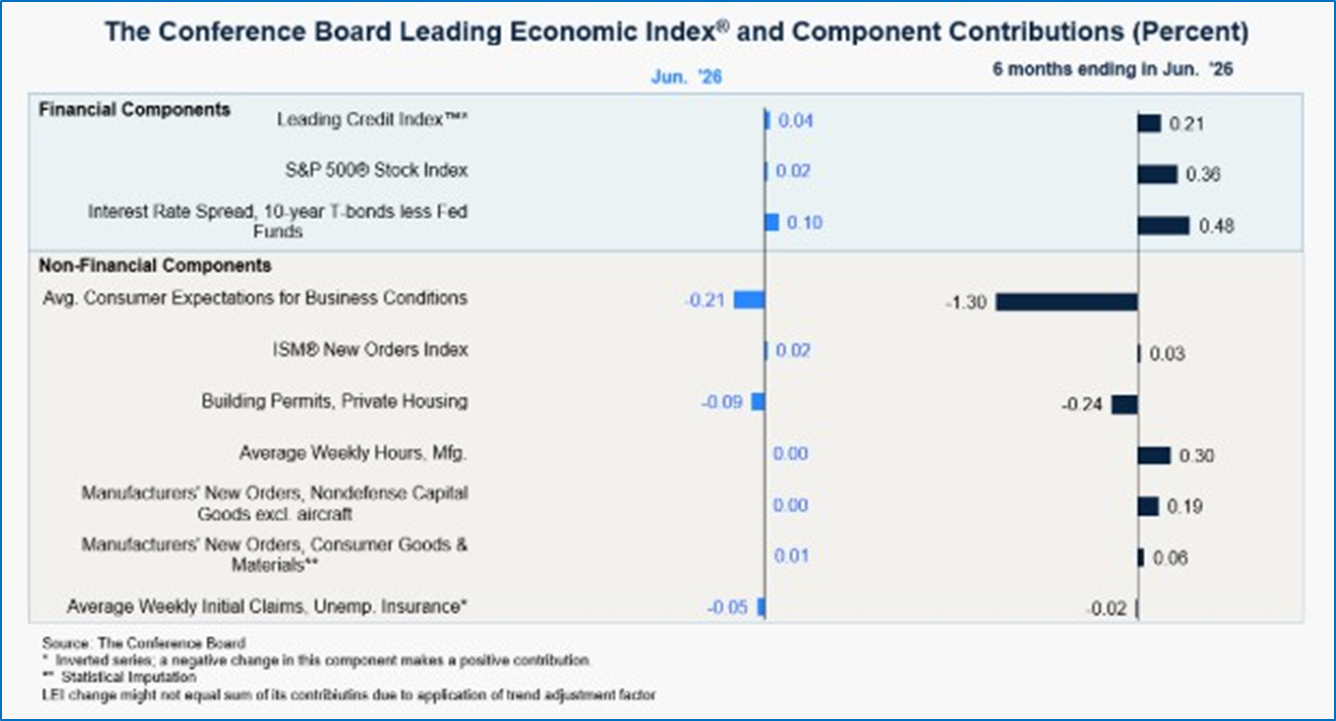
To enforce this point, this chart suggests that the US economy is experiencing growth in many sectors. Growth is moderate albeit broad-based as shown in the illustration below. Please note that the LEI may not capture the full effect of labor-enhancing technology which increases corporate earnings which leads to higher stock prices and, in turn, increased household wealth…which encourages spending. This may impact 2026 economic growth relative to current expectations.
Economy: Consumer Confidence Consumer confidence has been depressed even in the face of 1) higher wages, 2) a surging stock market and 3) a growing economy. It is possible that households are beginning to cope with lower savings. Generally, investors tend to swing from overly optimistic to overly pessimistic perceptions depending on the most recent environment. In this case, fewer jobs influence our mindsets. Fewer available jobs cause consumers to worry about paying for lifestyle products/services whether it be food, housing, gas or entertainment. This worry can lead to fear of investing as consumers may need available cash to pay for expenses rather than invest for long-term goals. Fear may also keep most stocks from being fairly-priced as the marginal investor isn’t buying. These conditions may describe our current situation even though the job market has normalized and interest rates are expected to be reduced this year. | 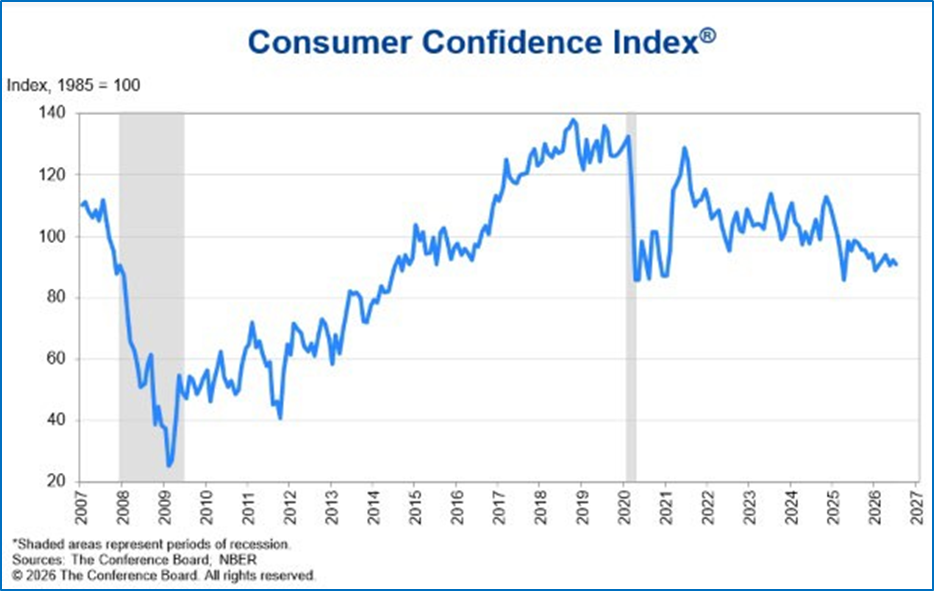 |
Economy: Jobs Consumer confidence has also been shaky this year as consumers digest a weaker job market even while the US has 1.04 job openings per unemployed worker. This exceeds the 20-year average of 0.72 jobs per unemployed worker. However, it is much lower than its peak of 2.0 set in March 2022 when companies found it difficult to recruit and retain employees due to the pandemic era relief financial support. One possible fear is that Artificial Intelligence will replace workers. Eventually, it will. It will also create other jobs. Because of this replacement, we do not see job market weakness negatively impacting the economy this year. | 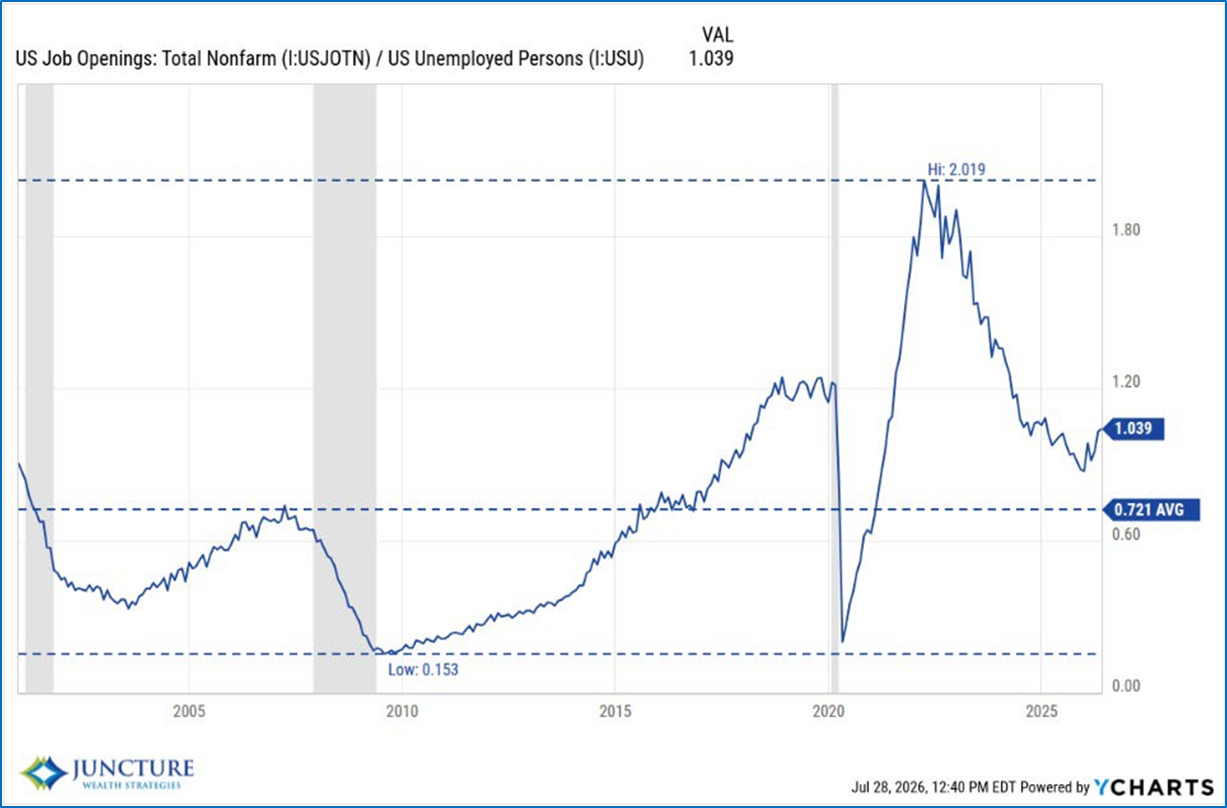 |
Economy: Household Spending
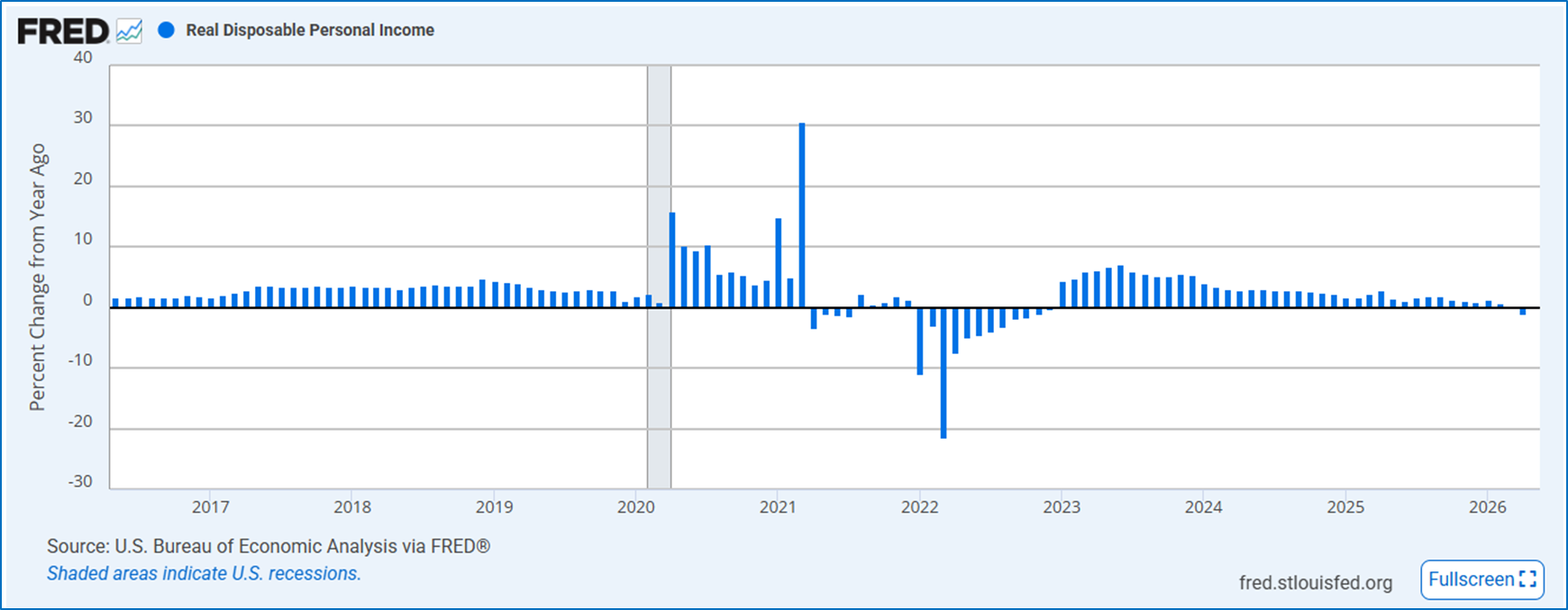
The Consumer Confidence survey reported that US real disposable income has recently dipped into negative territory. This means that inflation is exceeding households' income growth. One month of data doesn’t make a trend, but it does indicate we need to monitor its progression. If the US continues to experience negative real disposable income, then households may retrench their spending as income becomes constrained.
Economy: Artificial Intelligence (AI)
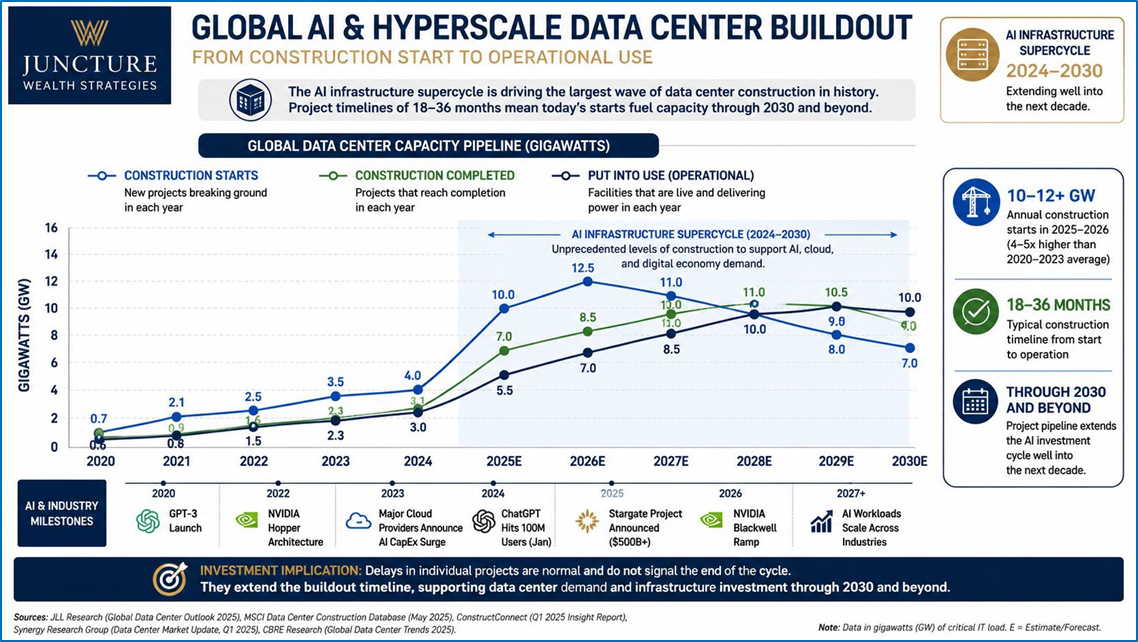
One of the largest impediments to AI development is the shortage of computing power. Data centers house that computing power. The US is currently suffering from scarce computing power relative to demand. To help grow that computing capacity, technology companies are building large data centers to house the servers. It takes time to build and operate data centers. The illustration below created by ChatGPT provides likely timelines for the AI infrastructure supercycle. This AI infrastructure supercycle will continue to drive significant economic growth across the US.
Economy: Artificial Intelligence
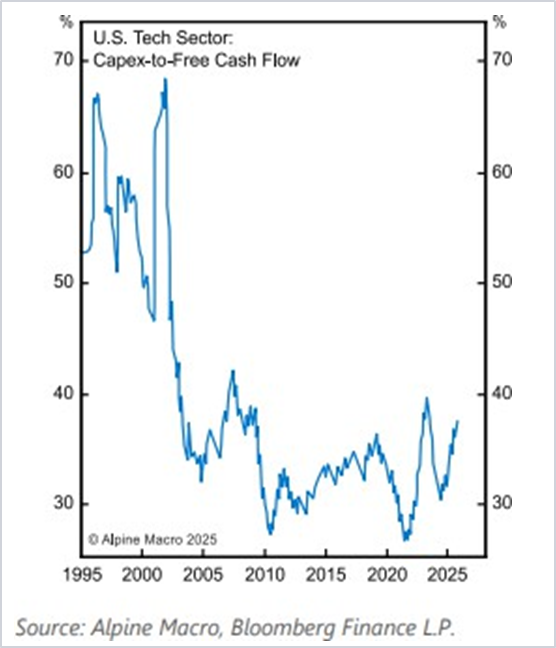
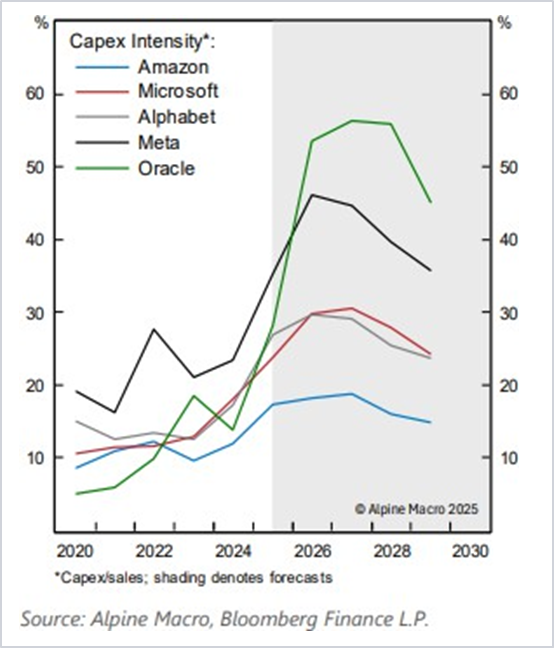
The last three years have introduced investors to artificial intelligence (AI) opportunities. Many technology companies have adopted massive capital expenditure programs aimed at building AI infrastructure: chips, servers, data centers, energy producers. Moody’s Investor Services estimates that companies will spend roughly $700 billion in 2026. As the very large technology companies build out the data center infrastructure, investors should expect negative free cash flow and large debt issuance for the next few years. Once the infrastructure is built, these large technology platform companies may generate significant, stable free cash flows.
 |  |
Economy: Artificial Intelligence Data Centers We hear much news regarding the number of data centers being built. The graphic to the right provides some context to the number of data centers current being operated, being constructed, and those which have been announced. Be aware that each of those projects are $1 billion+ investments with a number being valued at greater than $10 billion. Data centers may require massive amounts of electricity and fresh water to operate. As such, a number of data center projects have been cancelled or delayed as developers seek more suitable locations. | 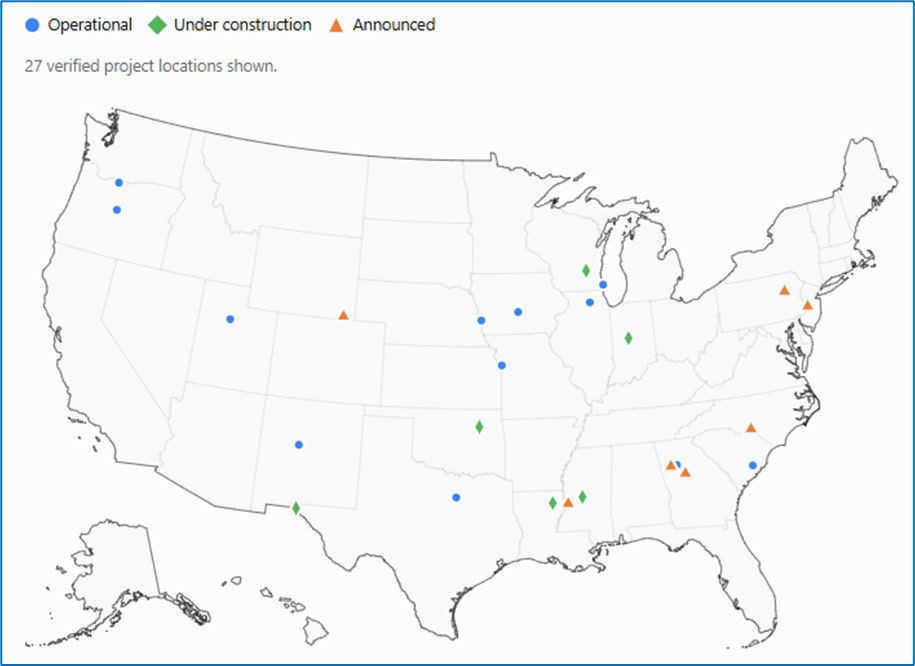 |
Economy: Artificial Intelligence Data Center Delays With data centers being built at a quick pace, local communities have begun to feel the effects on their cost of living via electricity prices and water availability. This pushback has caused many projects to be delayed. Delayed data center construction will lengthen the time until we have enough computing power to create artificial intelligence applications that could revolutionize our personal and professional lives. ChatGPT created the accompanying illustration to present the number of data center projects which have been cancelled or delayed from 2025-2026. As presented, 120+ major data center projects have been delayed or cancelled for various reasons. As previously mentioned, the US is severely constrained in computing power: massive demand and limited supply. Assuming these data centers get built, it will lengthen the economic growth over a few more years which should help lower potential inflation from that sector. | 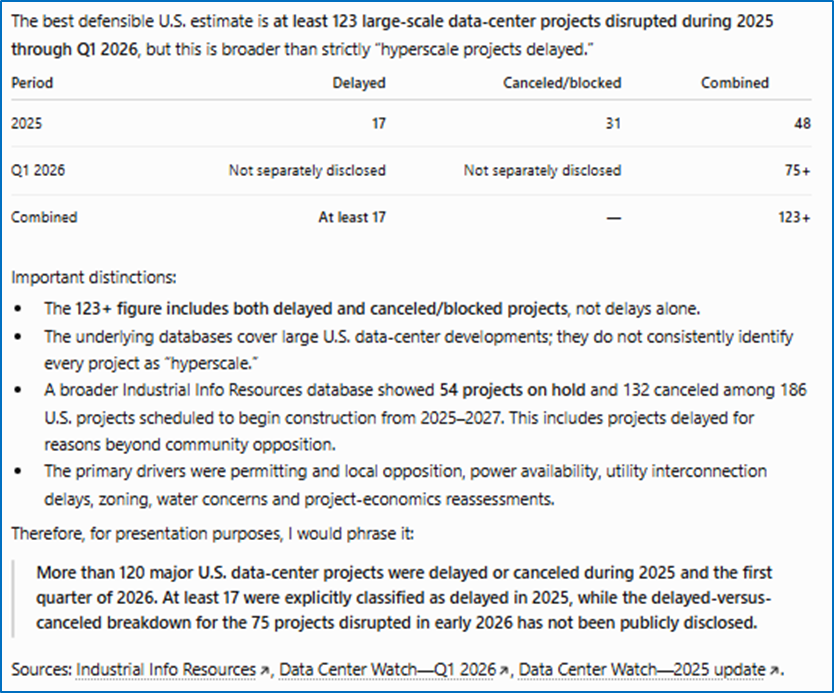 |
Economy: Productivity
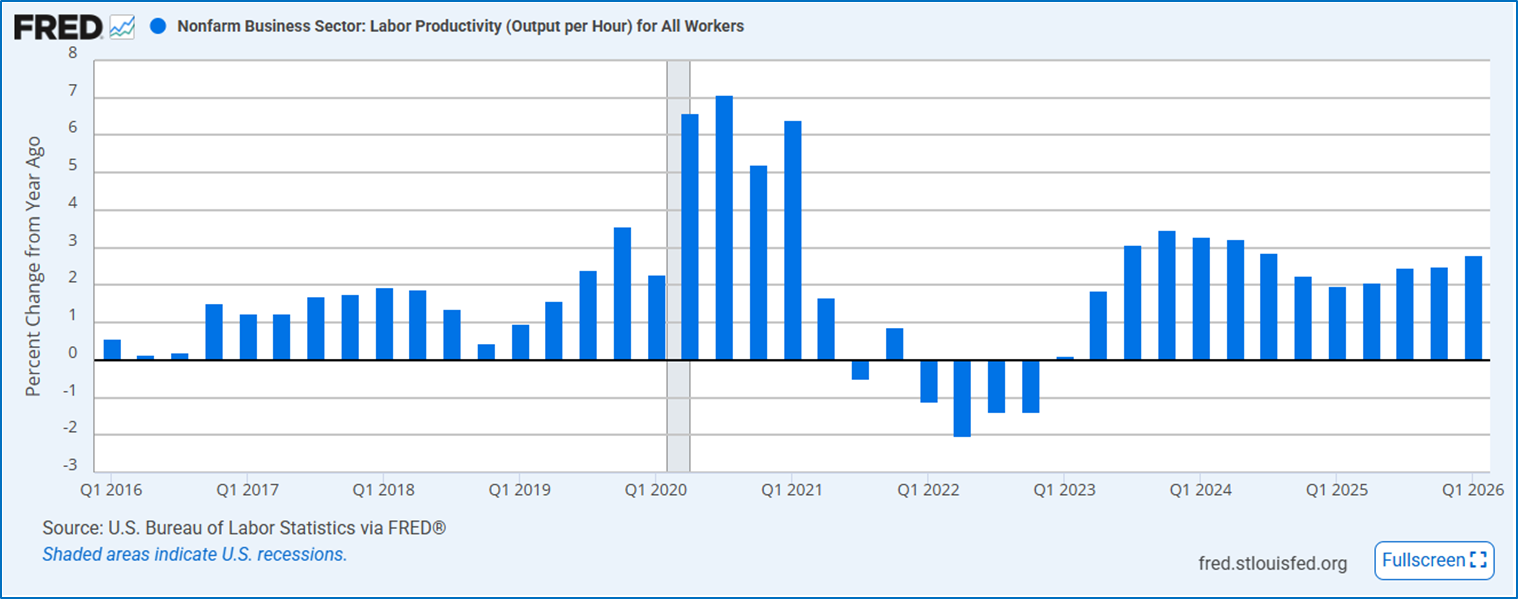
The increased level of artificial intelligence (AI) investment should continue to support US and global productivity and economic growth. Productivity
may help companies maintain and grow their profit margins by restraining overall labor costs. This chart plots the labor productivity across the nonfarm business sector over the past ten years. Higher productivity generally correlates with higher company profits which supports higher stock market returns. As the AI trend progresses, companies will continue to become more efficient as AI replaces or augments humans by initially taking over repetitive tasks but progressing to more difficult ones. This trend could accelerate as AI begins to converge with robotics and mobility solutions in future years.
Economy: US Gross Domestic Product (GDP) The Conference Board’s 2026 US Economic Outlook suggests that the US real GDP growth will hit its low in the second quarter of 2026. After that, it should begin to strengthen. Our economy in 2026 partially relies on capital expenditures and healthy household balance sheets. We continue to believe these trends should continue to support the US economy over the next few years. In conclusion, the economy may strengthen in next six months. The risk may be to an upside surprise if the consumer spending and productivity gains remain strong while capital expenditures continue their high pace. | 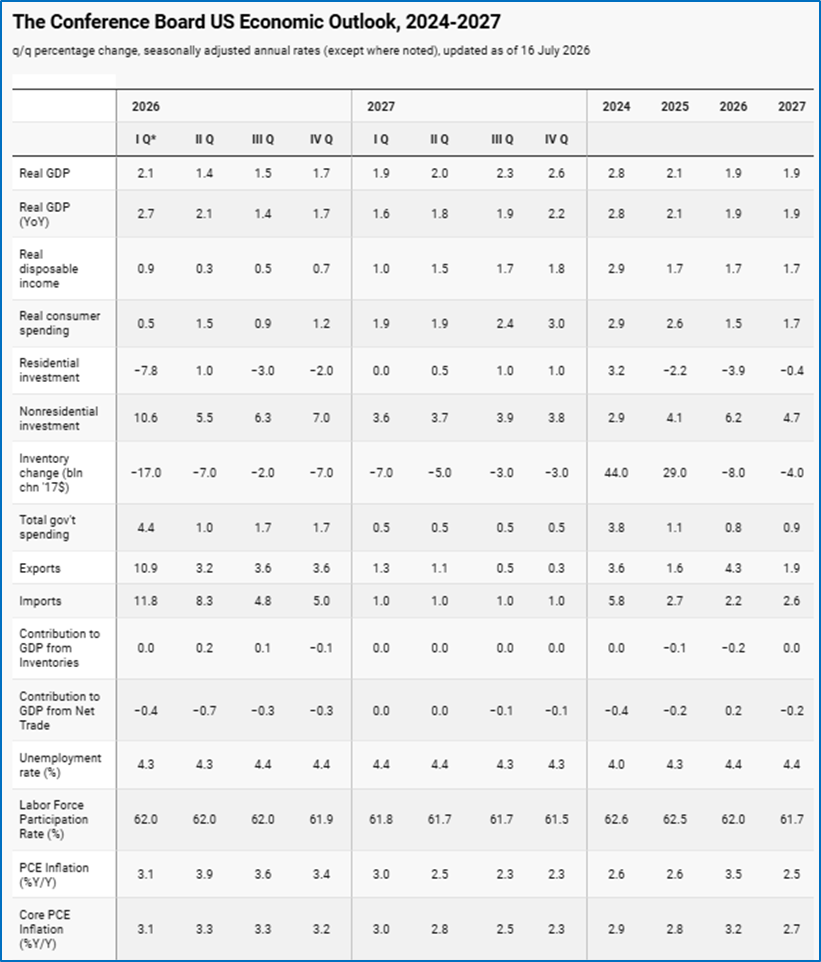 |
Inflation: Money Supply
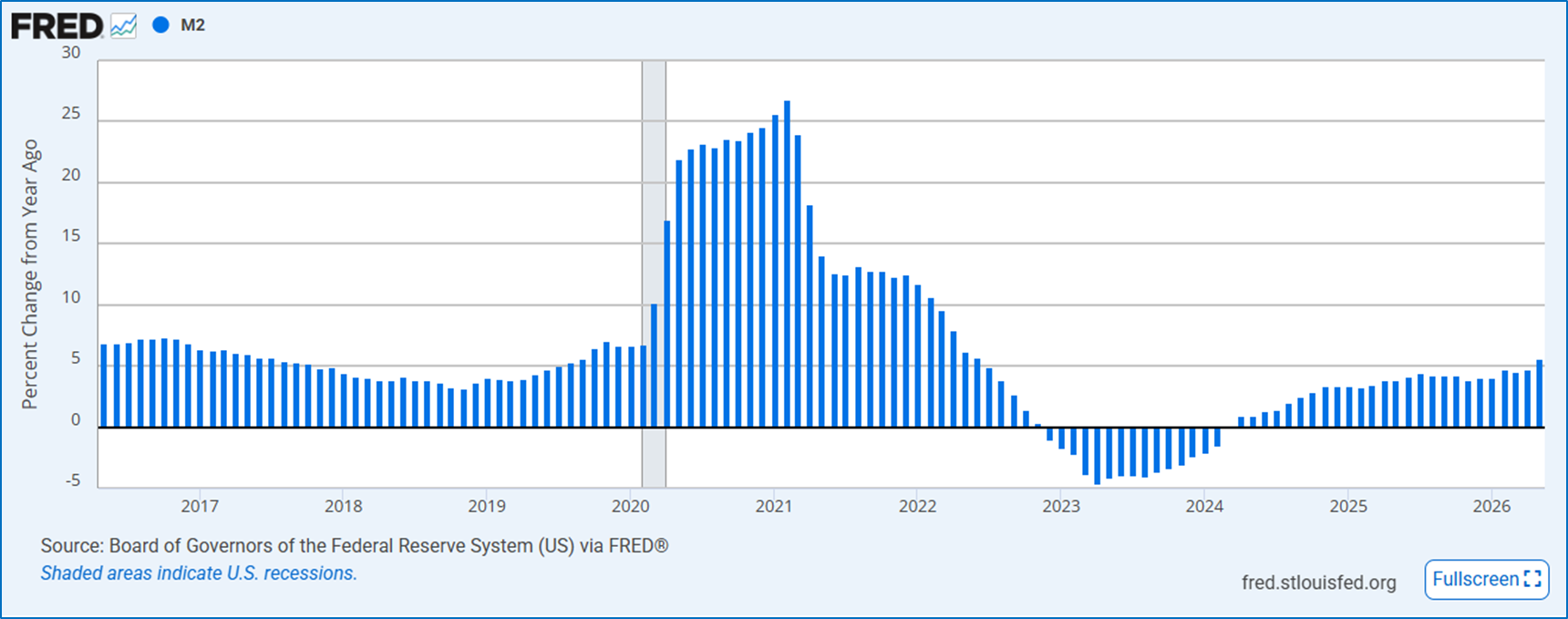
Money supply is the fuel for inflation over a long period of time. We analyze the change in various money supply measures to assess the likelihood of future, persistent inflation. The M2 which is comprised of M1 (currency, checking and savings accounts) plus money markets and small CDs has settled into a 5.6% annual growth rate.
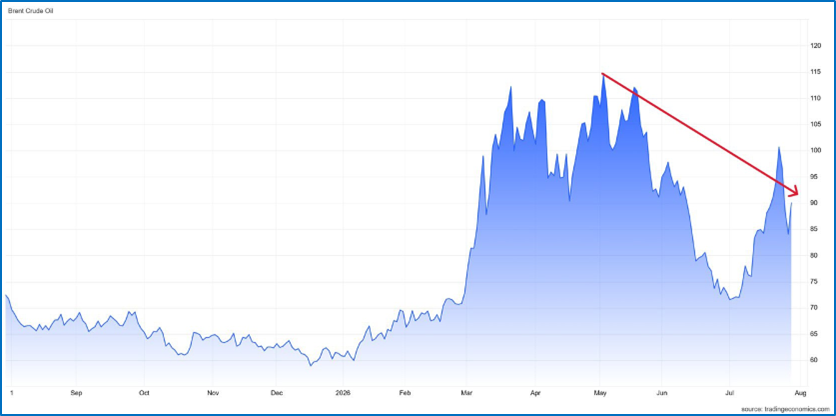
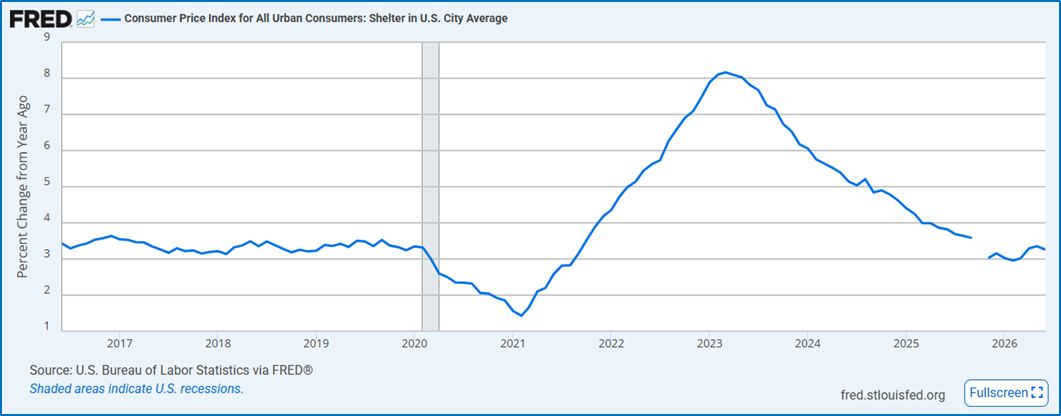
Inflation: Expected Inflation 2026 The expected inflation for 2026 currently is 2.4%. A combination of disrupted oil supply, increased tariff impact, decreased labor supply, and greater AI-related investments have caused households and investors to expect stronger inflation. Their expectation may disappoint as shelter inflation, inflation’s largest component, has been moderating. The shelter inflation impact on overall inflation measures generally shows up in six to nine months. Also, the oil price may continue to decline as conflict deescalates over time. It has already dropped from $120/barrel to $90/barrel. | 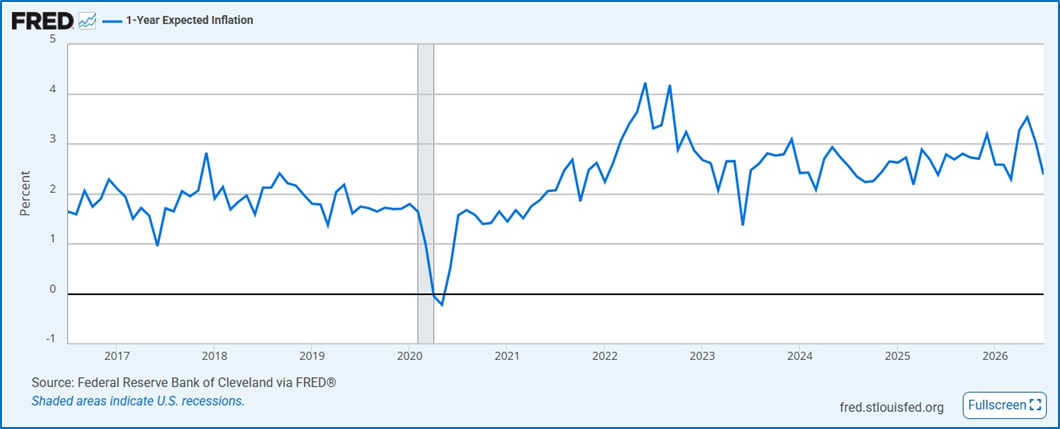 |
 |  |
Bond Markets
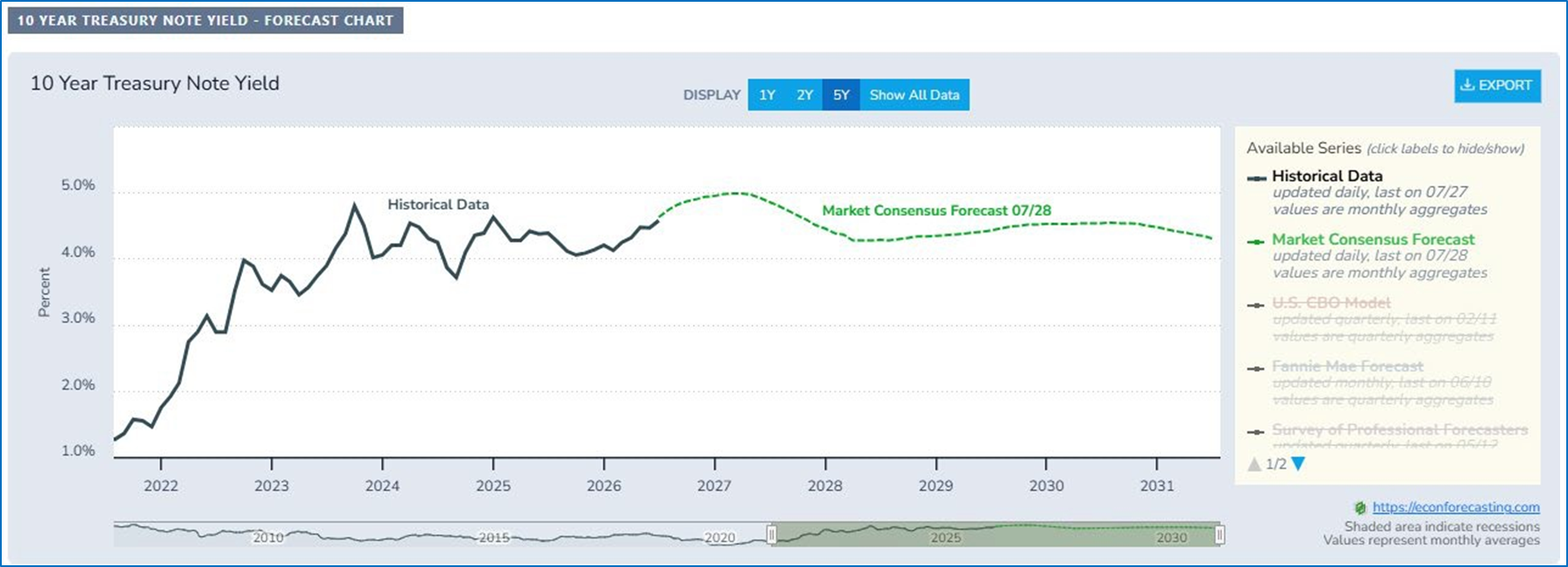
Bond yields are an important factor for the economy as they represent the cost of financing for companies and governments which need to raise capital. Investors are pricing in stable rates as the Federal Reserve pauses any rate decreases until it sees evidence of a slowing economy or continuing disinflation. The chart below shows that investors lack confidence in bond yield outcomes and, as such, are sticking with a range-bound yield forecast.
Bonds: Future Interest Rates
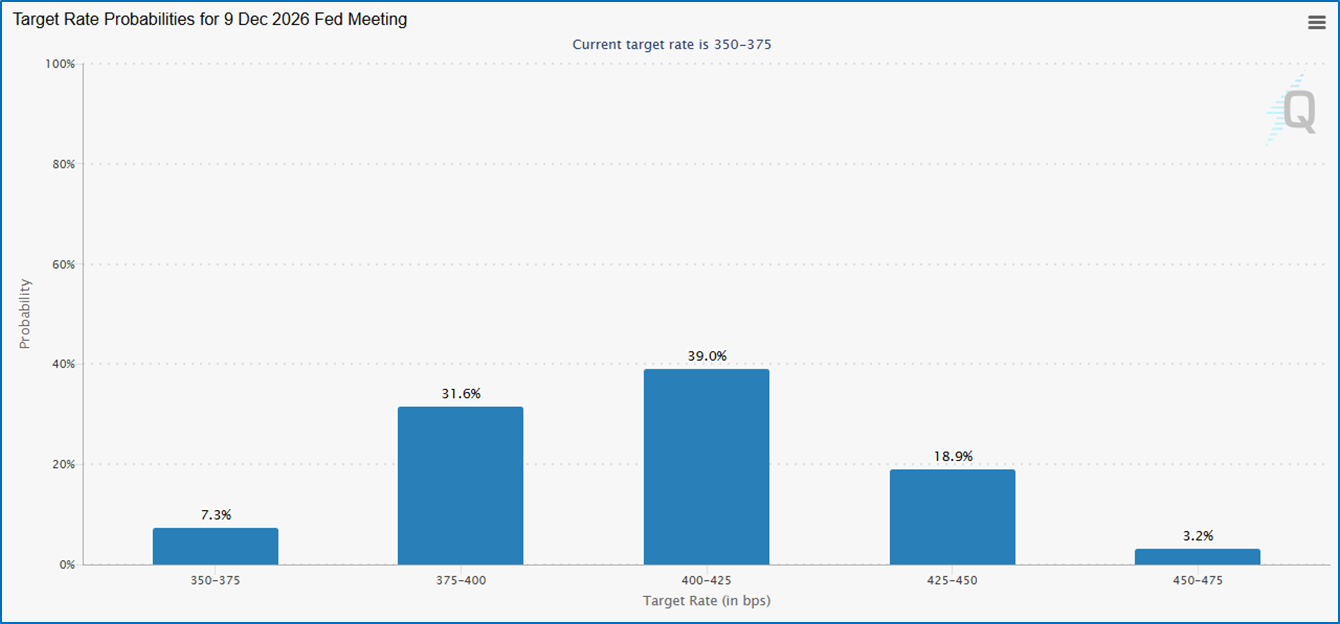
Based on the disrupted oil supply and higher energy prices, bond traders believe that the Federal Reserve will raise interest rates two to three times before the end of the year. The chart shows that 92% of market participants are positioned for higher rates. New Federal Reserve Chair Kevin Warsh will be hard pressed to raise interest rates due to political pressure. The US may begin to see disinflation as lower shelter inflation, delayed data center construction, and lower oil prices impact overall inflation measures. We expect the Federal Reserve to hold interest rates steady until data confirms direction in economic conditions.
Equities: Earnings
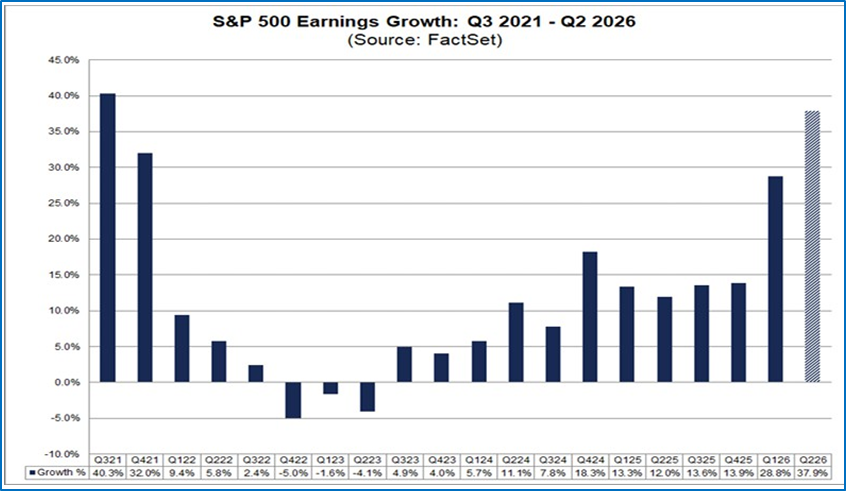
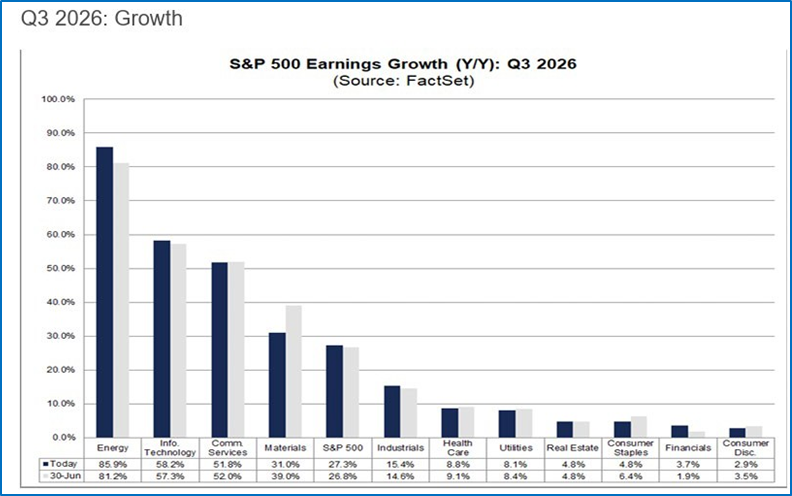
The stock market value is determined by earnings over the long-term. We have counseled clients to focus on the earnings growth when analyzing buy/sell decisions. The two charts show that stocks included in the S&P 500 continue to generate excellent earnings (≈37%). Factset Research estimates that the US will continue to experience good earnings growth in the third quarter. The US economy is undergoing an innovation wave with the advent and fusion of artificial intelligence, robotics, and automated mobility solutions which should benefit all companies over the next few years. This trend will continue to be supportive of earnings over the next few years.
In conclusion, we expect equities, overall, to continue to lead as more stocks begin to participate in the AI movement. At the same time, we expect the Mag 8 (& cap weighted indices) to lag this rally and experience a transition from mega cap to large/small/mid cap stocks.
 |  |
2026 OUTLOOK SUMMARY
JWS Market Direction
C AT E G O R Y | O U R VIE W |
Equities |
|
Fixed Income |
|
Real Assets |
|
GDP Growth |
|
Inflation |
|
Interest Rates |
|
Geopolitics |
|
Disclaimer: This commentary is provided to you for informational purposes only and should not be considered investment advice, a recommendation to adopt any investment strategy, or a solicitation for services. Any specific firm or security presented should not be construed as an endorsement or recommendation by Juncture Wealth Strategies, LLC. No advice may be rendered by Juncture Wealth Strategies, LLC unless a client service agreement is in place. Please consult with your financial advisor before making any investment. Investing involves risk, including the possible loss of principal. Information provided by Bloomberg, YCharts, Alpine Micro, government data resources and other 3rd party economic data providers is believed to be reliable but the accuracy and completeness of the information cannot be guaranteed. For information pertaining to the registration status, fees, services or other information of JWS, please contact JWS or refer to the Investment Adviser Public Disclosure website (www.advisorinfo.sec/gov) for our disclosure statement as set forth on Form ADV.